 James Archer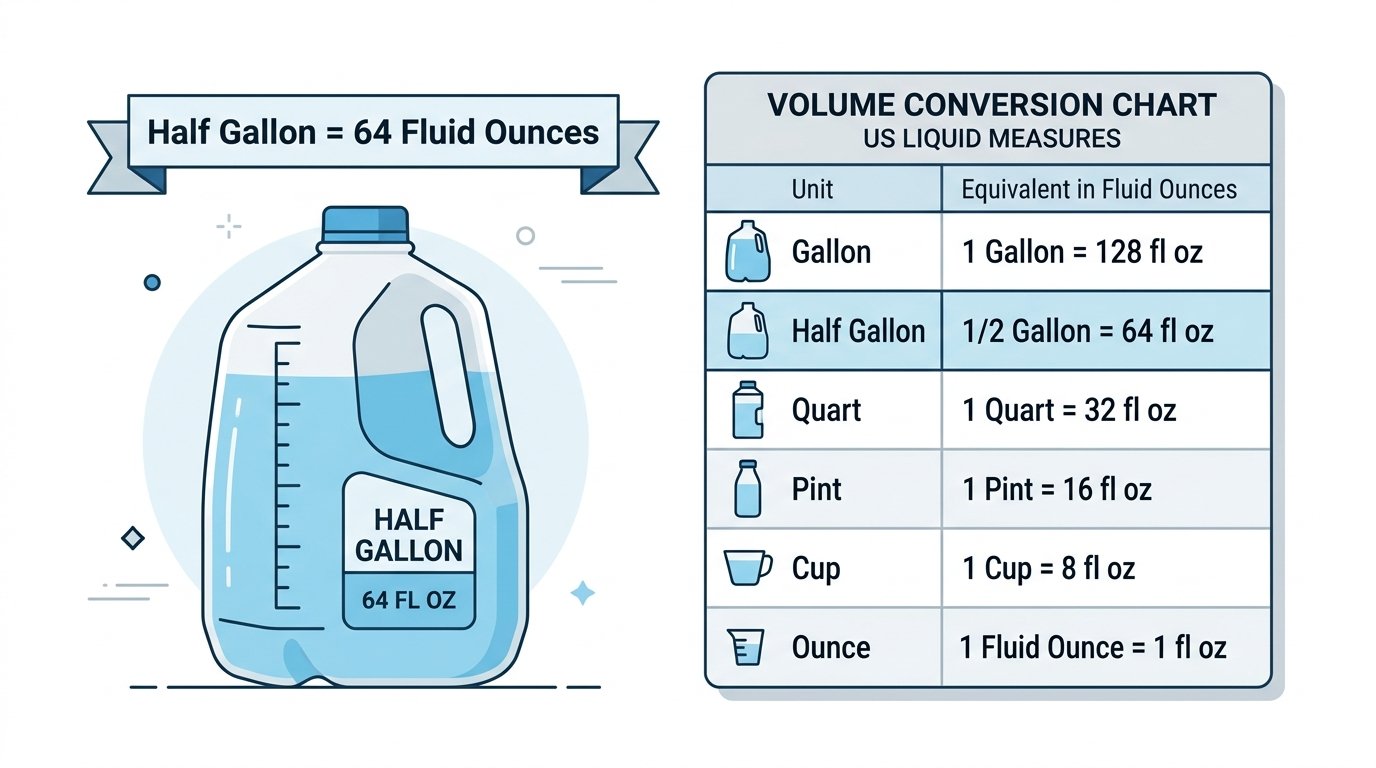
Have you ever stood in the kitchen and wondered exactly how much liquid fits in a half gallon container? Many people ask this question when they cook, bake, or try to drink enough water each day. Knowing how many ounces are in a half gallon helps you measure correctly and avoid mistakes. In simple terms, a half gallon holds 64 fluid ounces. This quick answer makes life easier in many ways. After that, we will explore why this matters, how the measurements work, and useful tips for everyday use.
People use gallons and ounces all the time, but they do not always know the connection between them. This article explains everything step by step in very easy language. You will learn the basic facts, see a clear conversion chart, discover real-life examples, and find answers to common questions. By the end, you will feel confident about these measurements.
What Is a Gallon and Why Do We Use It?
A gallon is a large unit for measuring liquids in the United States. Think of a big plastic milk jug from the store. That is usually one full gallon. Because one gallon equals 128 fluid ounces, half of that amount gives us the answer right away. This means a half gallon container holds exactly half of 128 ounces.
We use gallons for many things. For example, when you buy milk, juice, or water in big bottles, the label often shows gallons. Ounces help with smaller amounts, such as a single glass of drink. This system started long ago to make trading and cooking consistent. Over time, it became the standard way Americans measure liquids. That’s why understanding the half gallon helps you in daily tasks.
Another thing is that gallons feel familiar. You see them at gas stations for fuel or in recipes for large batches of soup. When you cut a gallon in half, you get a handy size that many people like for home use because it is not too heavy to carry.
The Quick Answer: 64 Fluid Ounces in a Half Gallon
Here is the simple fact again for easy memory. One full gallon has 128 fluid ounces. Next, divide that number by two. This gives you 64 fluid ounces in a half gallon. You can remember it like this: 128 divided by 2 equals 64.
This number is important because many water bottles come in 16-ounce or 32-ounce sizes. If you want to know how many such bottles fill a half gallon, you can divide 64 by 16 to get 4 bottles. Or divide 64 by 32 to get 2 bottles. These small steps make the big number easy to picture in your mind.
In addition, this measurement stays the same for water, milk, oil, and most other liquids. Because the system is standard, you can trust it every time you measure.
Understanding Fluid Ounces Versus Other Ounces
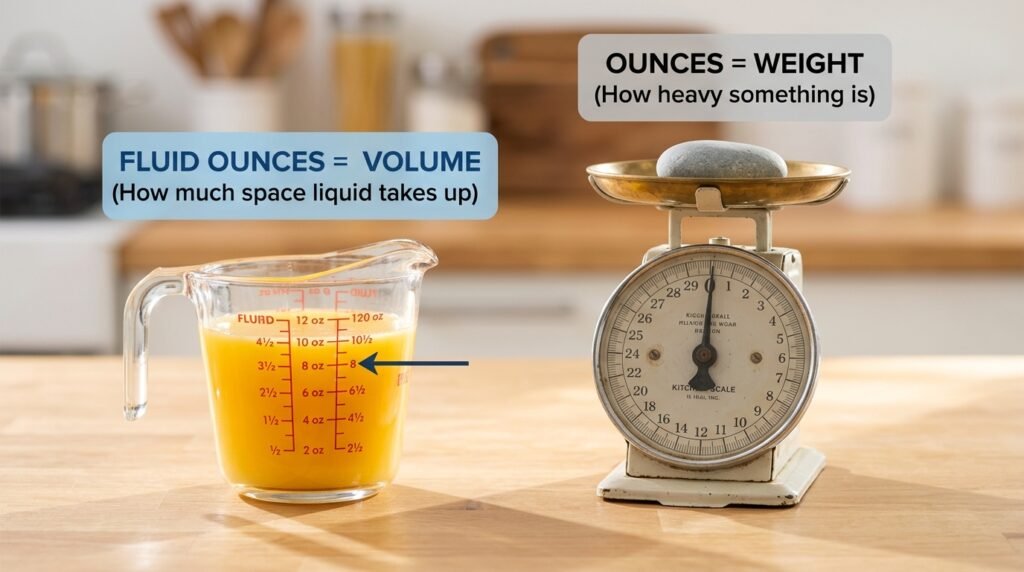
It is helpful to know that there are different kinds of ounces. Fluid ounces measure volume, or how much space a liquid takes up. Weight ounces measure how heavy something is. For liquids like water or juice, we always use fluid ounces.
For example, a small medicine cup might hold one fluid ounce. Eight of those would make one cup. After that, two cups make one pint, and so on, until you reach the gallon. This chain of measurements connects everything nicely. That’s why learning one part helps you understand the whole system.
People sometimes mix up fluid ounces with dry ounces used for flour or sugar. But for this article about half gallon, we focus on fluid ounces because we talk about liquids. This clear difference prevents confusion in the kitchen.
Why Knowing Half Gallon Measurements Matters in Daily Life
Many activities become smoother when you know these numbers. Suppose you are making lemonade for a party. The recipe calls for a half gallon of water. You can fill your container to 64 ounces without guessing. This saves time and makes the drink taste just right.
Another example comes from staying healthy. Doctors often say to drink plenty of water. If your big water jug holds a half gallon, you know it contains 64 ounces. You can track how much you drink during the day. For instance, if you finish one half gallon jug, you have had 64 ounces toward your goal.
In addition, shopping becomes smarter. You see different bottle sizes at the store. Because you understand ounces, you can compare prices better. A half gallon jug might cost less per ounce than many small bottles. Over time, this knowledge helps you save money.
Parents also use this when preparing baby formula or school lunches. A half gallon of milk lasts a certain number of days. Knowing it equals 64 ounces lets them plan meals without running out suddenly.
Simple Conversion Chart for Quick Reference
Here is a helpful chart that shows common sizes next to each other. You can use it anytime you need to convert between gallons, quarts, pints, cups, and ounces. The numbers build on each other in an easy pattern.
- 1 Gallon = 128 fluid ounces
- 1/2 Gallon = 64 fluid ounces
- 1 Quart = 32 fluid ounces (there are 4 quarts in a gallon)
- 1 Pint = 16 fluid ounces (there are 8 pints in a gallon)
- 1 Cup = 8 fluid ounces
This chart shows beautiful connections. For example, because four quarts make one gallon, two quarts make a half gallon, which is 64 ounces. You can print this chart or keep it in your phone notes for fast help while cooking.
Next, you can expand it further if you like. One half gallon also equals about 1.89 liters if you ever need metric measurements. But the ounce number remains the most useful for American kitchens.
Common Mistakes People Make and How to Avoid Them
Even though the math is simple, some people still get confused. One common mistake is thinking a half gallon has 32 ounces instead of 64. This happens because 32 ounces is a quart, which is smaller. Always remember to double the quart amount for a half gallon.
Another mistake is forgetting the difference between US and UK measurements. In the United States, we use 128 ounces per gallon. In some other countries, the gallon is larger and holds 160 ounces, so a half gallon there would be 80 ounces. Because most recipes and products in America follow the US system, stick with 64 ounces here.
People also mix up fluid ounces with weight. A half gallon of water weighs about 4 pounds, but that is different from 64 fluid ounces. Use the right tool for the right job. A measuring cup marked with fluid ounces works best for liquids.
To avoid these problems, always check the label on your container. Many jugs clearly say “64 fl oz” right on the side. In addition, practice pouring from a half gallon into smaller cups a few times. This hands-on way helps the numbers stick in your memory.
Practical Tips for Using Half Gallon Measurements at Home
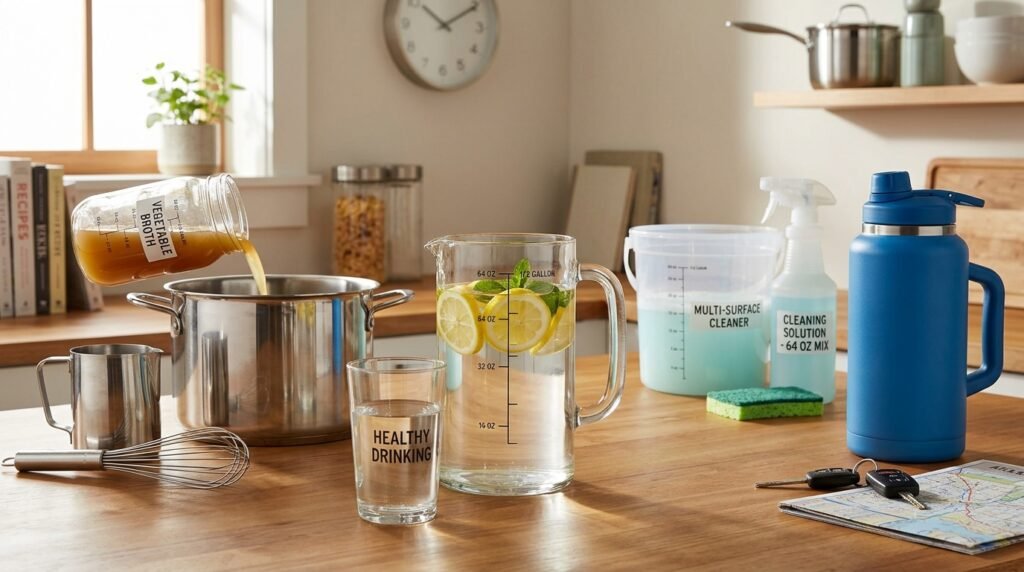
You can make half gallons work well in your routine. For healthy drinking, fill a 64-ounce jug in the morning. Then try to finish it by evening. Add lemon slices or fruit for better taste. This turns a simple measurement into a fun habit.
In baking, many cake or bread recipes use parts of a gallon. If you need a half gallon of broth for soup, measure 64 ounces carefully. Pour slowly and use a big measuring pitcher if possible. This careful step keeps your food tasting delicious.
For cleaning, people often mix cleaners with water in gallon jugs. Half gallon amounts work great for smaller batches. Because you know the exact ounces, the mixture stays safe and effective.
Another useful tip involves travel. Some people carry a half gallon water container in the car for long trips. Knowing it holds 64 ounces helps them plan stops and stay hydrated without buying extra bottles.
Over time, these small practices build confidence. You start to see measurements everywhere and feel more in control of your kitchen and home.
More About Related Measurements and Fun Facts
Let’s connect this to other sizes you see often. A full gallon equals two half gallons, so 128 ounces total. Four quarts also make one gallon. Because each quart has 32 ounces, multiplying gives the same 128 ounces again. These repeated checks confirm the numbers are correct.
You might wonder about smaller units too. Sixteen cups fill one gallon, which means eight cups fill a half gallon. Each cup holds 8 ounces, so eight times eight equals 64 ounces. This step-by-step breakdown shows how everything fits together nicely.
A fun fact is that the word “gallon” comes from old times when people used jugs for wine and beer. Today, we use it for many liquids, but the size stayed steady. In 2026, the same standard measurements still help everyone cook, clean, and stay healthy.
FAQ: Common Questions About Ounces in a Half Gallon
How many ounces are in a half gallon of milk?
It is still 64 fluid ounces. The type of liquid does not change the volume measurement.
Is a half gallon the same as 64 ounces everywhere?
In the US, yes. Other countries may use different systems, so always check the label.
How many water bottles fill a half gallon?
Four standard 16-ounce bottles or two 32-ounce bottles exactly fill it.
Can I use a half gallon for cooking recipes?
Yes, many recipes list amounts in gallons or quarts. Convert to ounces when you need smaller measuring cups.
What is the weight of a half gallon of water?
It weighs about 4 pounds because water is heavy, but remember this is separate from fluid ounces.
How do I measure 64 ounces without a big container?
Use eight full 8-ounce cups or four 16-ounce cups. This adds up correctly every time.
Does temperature change the number of ounces?
No, fluid ounces measure volume, which stays steady for normal kitchen temperatures.
Conclusion: Make Measurements Your Friend
Learning that a half gallon holds 64 fluid ounces opens up many helpful possibilities. You can cook better, drink enough water, shop wisely, and avoid measurement mistakes. The conversion chart and simple examples in this article give you tools you can use right away. Because these units connect in clear patterns, once you understand one part, the rest becomes easier.
Take a moment today to look at containers in your home. Notice the numbers and practice the conversions. Over time, this knowledge becomes second nature and makes your daily tasks smoother and more enjoyable. Measurements are not just numbers—they are practical friends that help you live better.
This article provides general educational information based on standard US customary units. For precise needs, always refer to your specific measuring tools or product labels.
Disclaimer: This content is for informational purposes only and should not be considered professional advice. Measurements can vary slightly by context or region; double-check with official sources when accuracy is critical to avoid any issues with recipes, health, or legal standards.
Explore More:
2024 Jeep Grand Cherokee L Review (Price, Specs, MPG, Interior & Trims)
How Many Quarters Are in a Roll? (Count, Value & Dollar Amount Explained)