 James Archer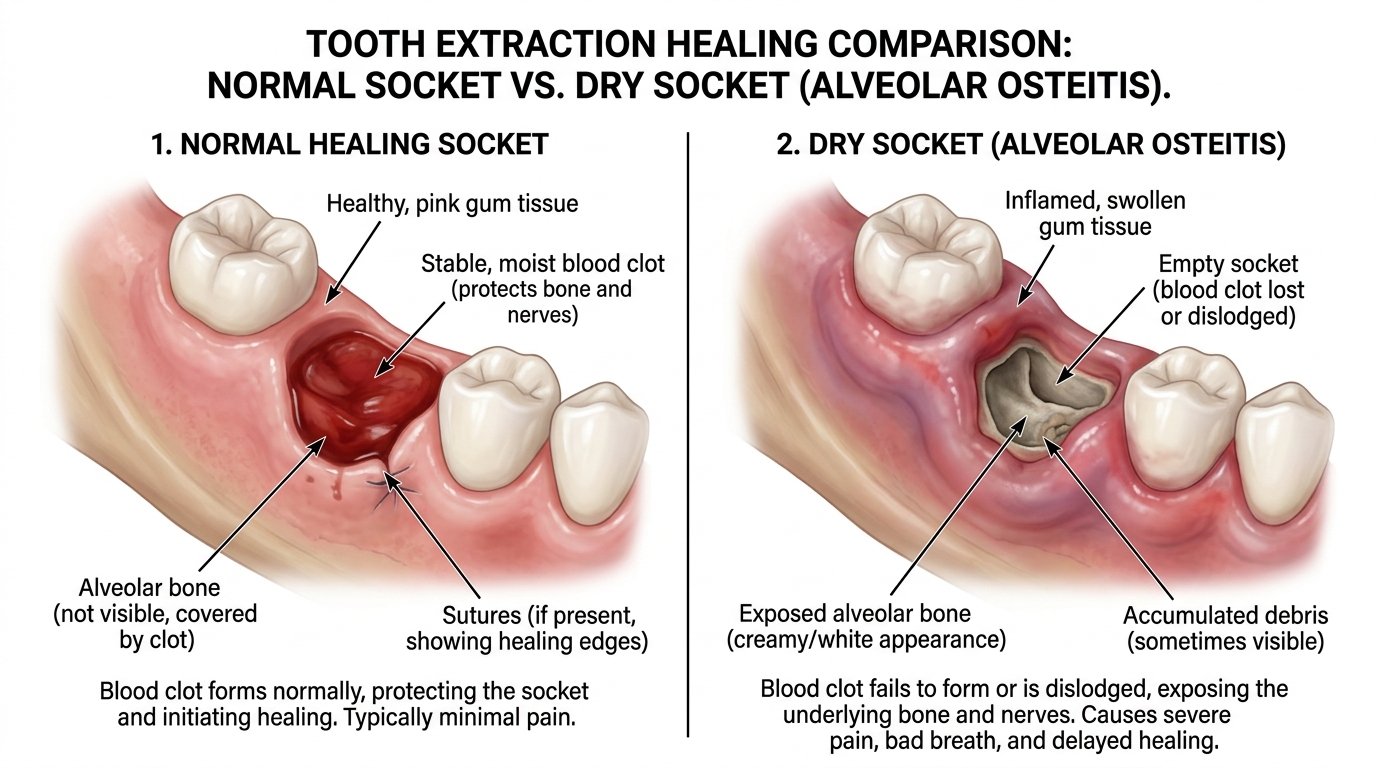
After you have a tooth pulled, your mouth needs time to heal. Most people feel better in a few days. But sometimes a problem called dry socket can start. This makes the spot where the tooth was feel very sore. Many people wonder what does dry socket look like because the pain can surprise them. In this article, you will learn simple facts about it. You will see clear descriptions like pictures in your mind. You will also read about symptoms, how healing happens step by step, and when to get help fast. This knowledge can make you feel calmer because you know what to watch for and what to do next.
What Is Dry Socket and Why Does It Happen?
Dry socket is a common issue after a tooth comes out. It happens when the blood clot that forms in the empty spot does not stay or breaks apart too soon. This clot works like a soft blanket that covers the bone and nerves underneath. After that, air, food bits, and spit can touch the open area. That is why the spot hurts a lot. Doctors call it alveolar osteitis, but most people just say dry socket. It usually starts two to four days after the tooth leaves. In addition, it happens more often with wisdom teeth in the lower jaw because that area is harder to keep clean. Over time, the pain can spread if nothing helps the clot stay in place. For example, strong sucking from a straw or smoking can pull the clot away. This means the bone stays open longer than it should.
What Does Dry Socket Look Like?
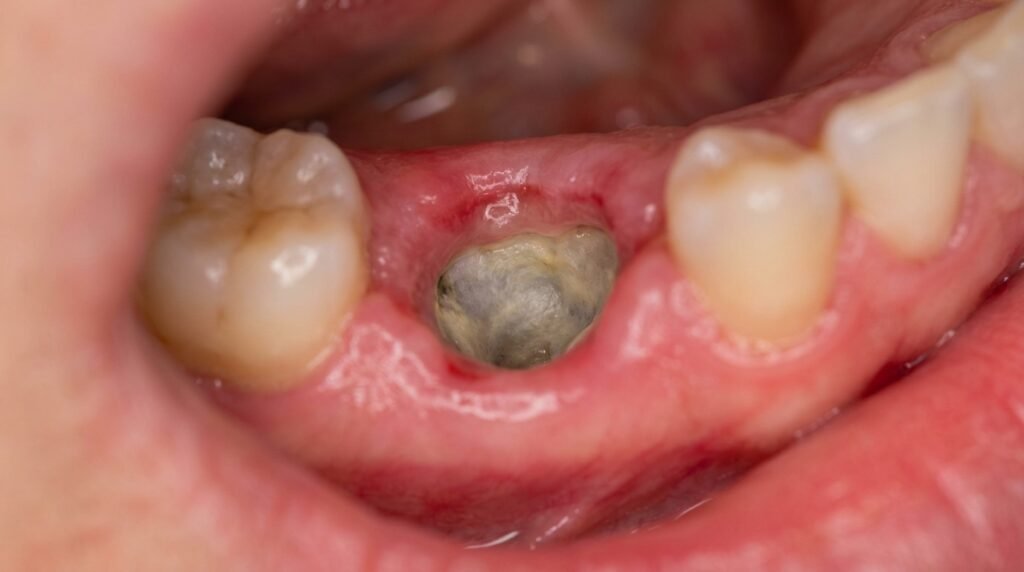
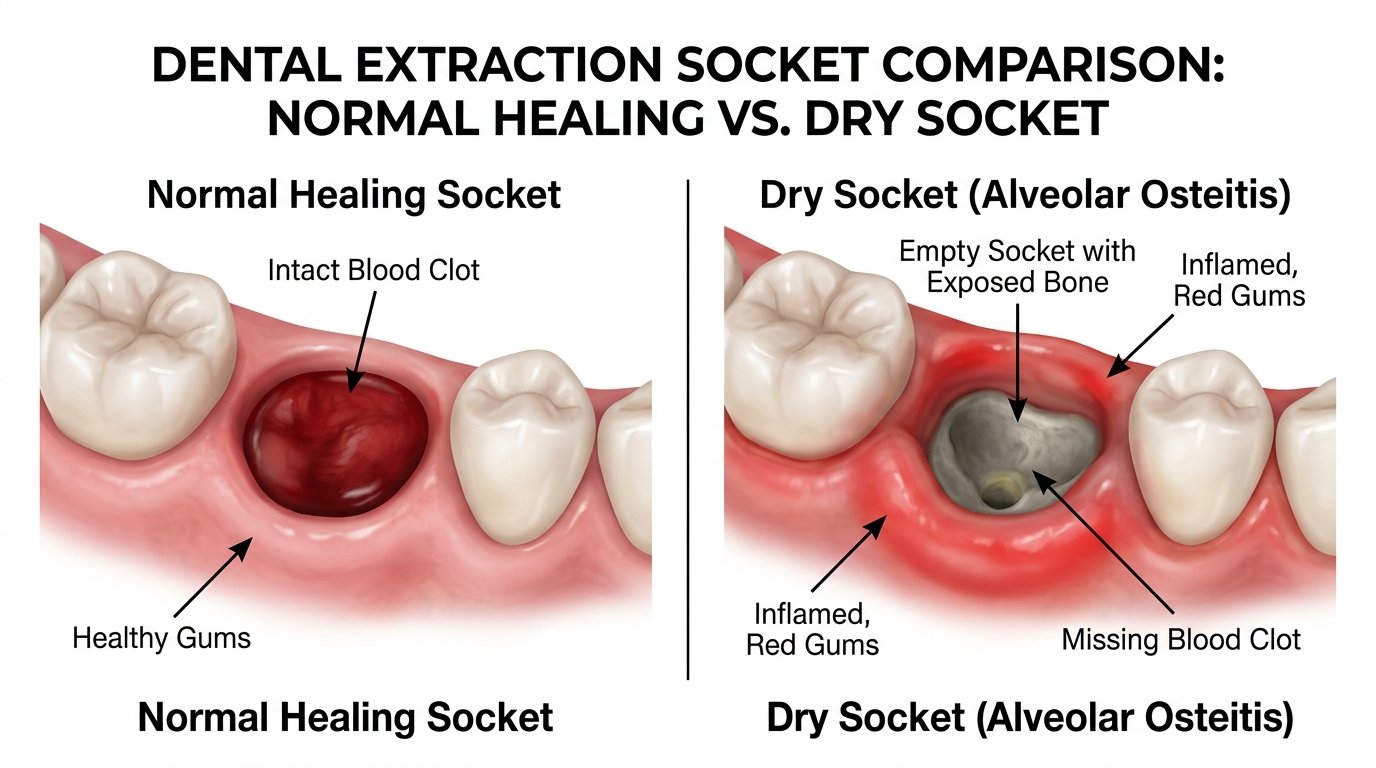
If you could see pictures of dry socket, you would notice one clear thing right away. The spot looks like an empty hole in your gum. There is no dark red blood clot filling it up. Instead, you see the bone at the bottom. This bone often looks white, gray, or a little yellow because it has no cover. The hole seems dry and open, not moist and protected like normal. Another thing is that the gums around the hole may look red and a bit puffy. In real-life examples, people say it reminds them of a small cave with a pale floor showing through. That is different from what a healthy spot looks like after a tooth comes out.
Common Symptoms of Dry Socket
The main sign of dry socket is strong pain that gets worse instead of better. This pain starts around day two or three after the tooth leaves. It feels like a deep throb in your jaw. After that, the hurt often spreads to your ear, eye, or the side of your head on the same side. This means the nerves feel raw because nothing protects them. In addition, many people notice a bad taste in their mouth all the time. It feels like something old or sour stays there no matter how much you rinse. Bad breath can start too because food bits stay in the open hole and cause a smell. Over time, the area might feel tender when you touch your cheek from outside. For example, one person said the pain felt like a strong headache mixed with toothache, and it kept them awake at night. These feelings tell you the body needs extra care right away.
Normal Healing After Tooth Extraction
Now let us talk about how a normal spot heals so you can compare. Right after the dentist pulls the tooth, blood fills the empty place and makes a dark red clot. This clot sticks like glue and keeps everything safe. Next, the clot slowly changes color. It may look white or creamy as new soft tissue grows over it. This new tissue is called granulation tissue, and it helps the bone fill back in. In addition, the pain gets less each day. By the end of the first week, the spot starts to close with pink gum skin. Over time, the whole area looks flat and healthy again after a few weeks. That is why normal healing feels steady and calm.
Healing Stages: Dry Socket Compared to Normal
Healing happens in clear steps, and knowing them helps you spot the difference. Let us break it down day by day. In the first one to three days, a normal socket shows a dark red clot that stays put. The pain stays mild and gets better. But with dry socket, the clot is gone by day two or three. The hole looks empty, and pain jumps higher. After that, in normal healing, white healing tissue covers the clot area around days four to seven. The gum starts to shrink the hole gently. In dry socket, no white tissue grows fast because the bone stays open. This means healing takes longer, sometimes seven to ten extra days. Next, normal bone fills the spot slowly over two weeks, and gums close up. Dry socket needs time for new tissue to form after help from the dentist. Over time, both heal fully, but dry socket feels slower and more uncomfortable at first. For example, pictures of normal healing show a full, protected spot, while dry socket pictures show a pale, uncovered bottom.
When to Worry and See Your Dentist Right Away
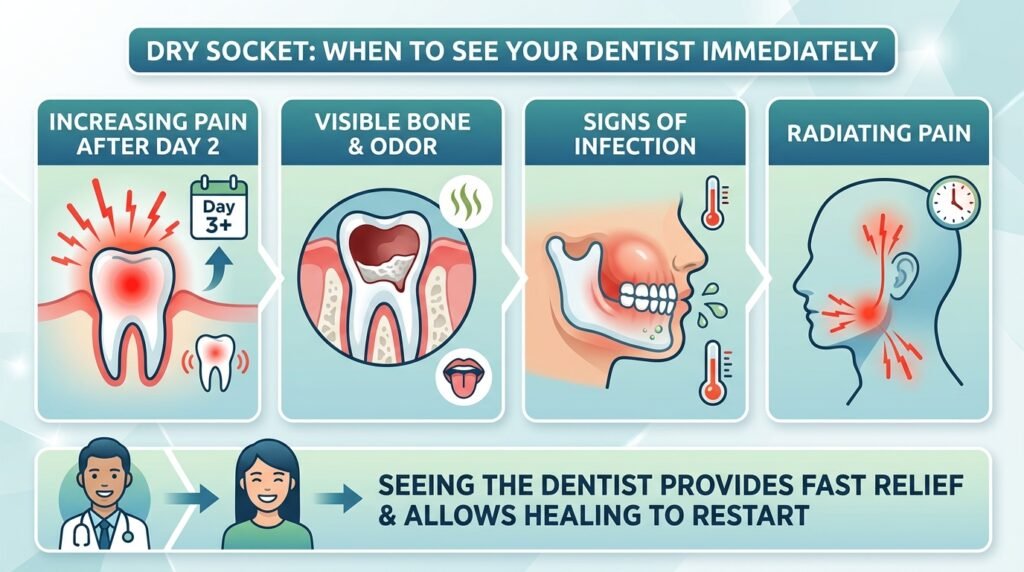
Some signs mean you should call your dentist soon. If the pain grows stronger after day two instead of fading, that is a big clue. Also, if you see the empty hole with white bone and feel the bad taste or smell, do not wait. This means the spot needs cleaning to start fresh healing. In addition, watch for swelling that gets bigger, fever, or pus coming out. These could point to an extra infection on top of dry socket. Another thing is pain that reaches your neck or temple and will not calm down with rest. That is why seeing the dentist helps because they can check the area and ease the hurt fast. Most times, dry socket does not cause big problems, but quick care stops the pain sooner and lets healing begin again.
Things That Can Raise Your Risk for Dry Socket
Certain actions can make dry socket more likely, so knowing them helps you stay careful. Smoking or using tobacco is one big reason because it slows blood flow and can pull the clot away. Using a straw for drinks creates suction that lifts the clot too. After that, spitting hard or rinsing your mouth with force right after the tooth leaves can do the same thing. In addition, birth control pills or past dry socket problems can raise the chance because they change how blood clots form. Difficult extractions, like pulling lower wisdom teeth, also add risk since the area gets more upset. For example, if you had a tooth out during a busy day and forgot gentle care, the spot might stay open longer. That is why following simple after-care steps matters so much.
Simple Steps That Support Good Healing
After a tooth comes out, your body works hard to fix the spot. You can help by eating soft foods like soup or yogurt for the first few days. This means less chance of food getting stuck. Next, keep the area clean with gentle rinses of warm salt water after the first day. Avoid touching the spot with your tongue or fingers because that can disturb healing. Over time, rest your mouth and skip hard chewing on that side. In addition, stay away from hot or fizzy drinks at first since they can bother the new tissue. These small choices let the clot stay safe and turn into healthy gum faster.
Frequently Asked Questions About Dry Socket
Here are some common questions people ask about what does dry socket look like and how it feels.
Can I check my own mouth for dry socket?
Yes, you can look gently with a mirror and light. If the spot looks empty with white bone showing and hurts a lot, call your dentist.
How long does dry socket pain last?
The strong pain often eases in two to three days with dentist help, but full healing may take one or two weeks longer than normal.
Is dry socket the same as an infection?
No, dry socket itself is not usually an infection, but an open spot can let germs in if not treated.
Does dry socket happen right after the tooth comes out?
No, it usually starts two to four days later when the clot disappears.
Can children get dry socket?
It is rare in kids because they heal fast, but it can happen after a tooth pull if care is not gentle.
What makes the pain feel better at home before seeing the dentist?
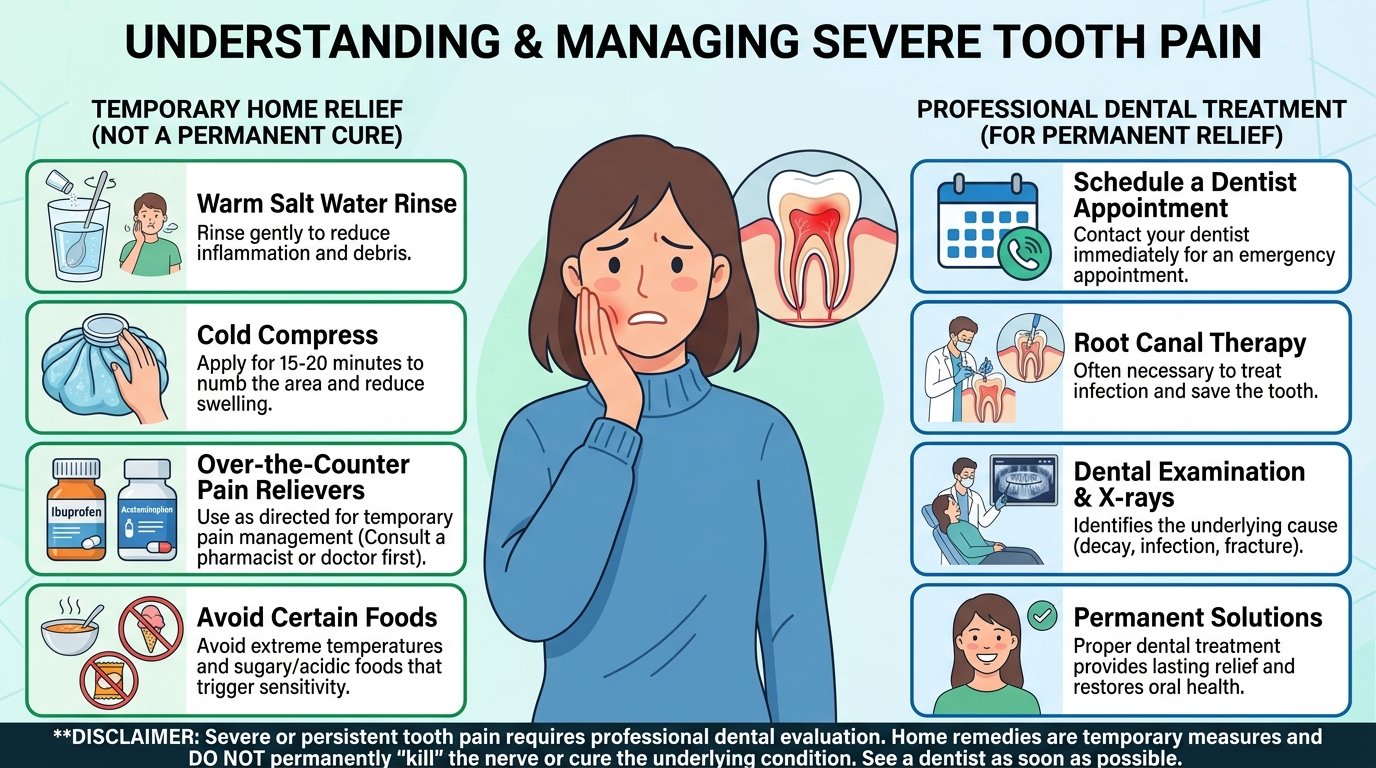
Soft foods and cold packs on the cheek can help a little, but only the dentist can fix the open spot.
Will dry socket leave a scar or permanent hole?
No, the mouth heals fully over time with the right care, and the gum grows back smooth.
Wrapping Up What You Need to Know
Dry socket can feel scary because the pain comes strong and fast, but it is a problem that dentists know well and can help with quickly. By learning what does dry socket look like, you can spot the empty hole and white bone early. You also understand the symptoms like spreading pain and bad taste so you do not wait too long. Healing stages show the clear difference between a protected clot and an open spot, which means you know when things are going right or need a check. In the end, listening to your body and getting help at the right time makes recovery smoother and shorter. Take good care of your mouth after any tooth comes out, and remember that most people heal nicely with a little patience and smart choices. Your smile will feel strong again soon.
Disclaimer:
This article is for informational purposes only and is not a substitute for professional dental or medical advice. Always consult your dentist or doctor for personalized care and diagnosis. If you experience symptoms, seek professional help immediately to avoid any complications.