 James Archer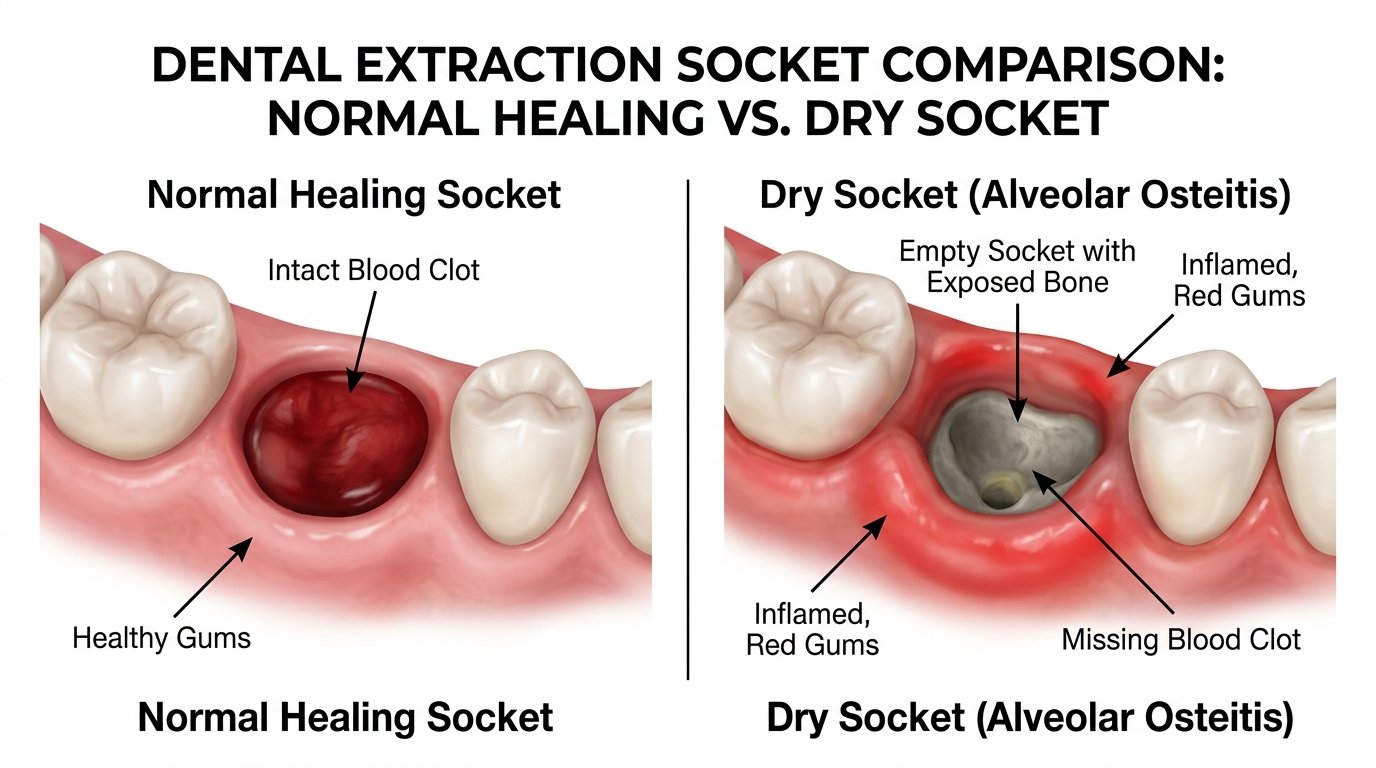
After you get a tooth pulled, your mouth starts to heal right away. Most of the time, everything goes well. But sometimes a problem called dry socket happens. This makes the area hurt a lot. Many people wonder what a dry socket looks like because they want to know if their healing is normal. Understanding the signs early can help you feel better faster and avoid extra pain. That is why this guide explains everything in a simple way.
What Is a Dry Socket and Why Does It Happen?
When a dentist takes out a tooth, a small hole stays in your gum. Right after that, blood fills the hole and makes a soft clot. This clot works like a cozy blanket. It covers the bone and nerves inside so they stay safe. It also helps new skin grow over time.
A dry socket happens when that blood clot does not stay or never forms well. The bone and nerves become open to air, food, and spit. Because of this, the area gets very sore. Doctors also call it alveolar osteitis. It usually starts two to four days after the tooth comes out. You feel fine at first, but then the pain grows strong. This problem is more common after pulling wisdom teeth, but it can happen with any tooth.
Many things can make the clot move away. Smoking is one big reason because it pulls on the clot. Using a straw does the same thing by creating suction. Rinsing your mouth too hard or eating crunchy food too soon can also cause trouble. Some people have a higher chance if they take certain medicines or have health issues that affect healing.
What Does a Dry Socket Look Like? Clear Pictures and Descriptions
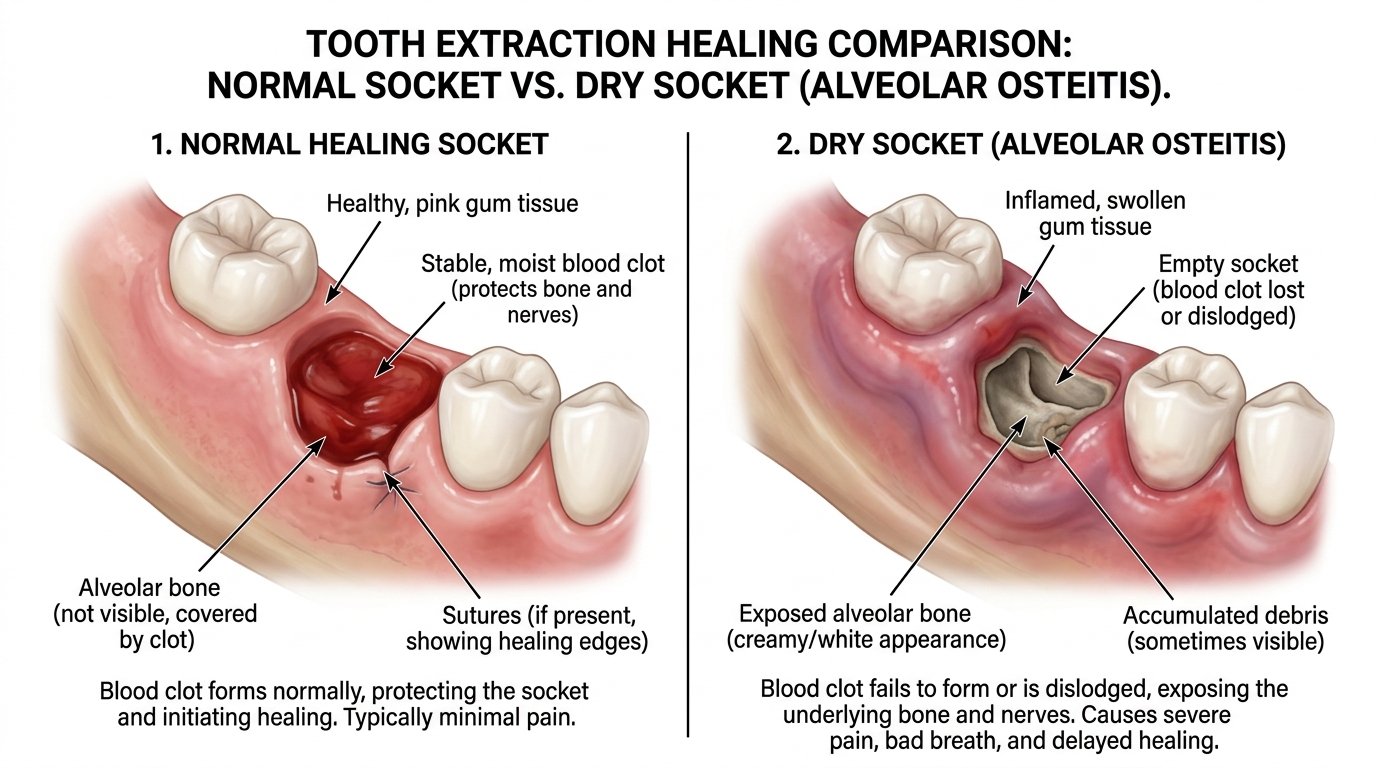
A dry socket has a very different look from normal healing. In a healthy socket, you see a dark red or brownish clot that fills the hole nicely. It looks like a small jelly or soft scab. Over time, white or pink tissue grows on top.
In a dry socket, the hole looks empty. You may see the bottom of the socket with white, gray, or yellowish bone showing. There is no dark clot covering it. The area around the hole often looks red and a bit swollen. It may seem dry instead of moist and healing. Many people say it looks like an open dark hole in the gum.
Here is a helpful comparison. On one side, a normal socket has a full blood clot that protects everything. On the other side, a dry socket shows exposed bone and an empty space. The difference is easy to notice once you know what to look for.
Another picture shows a close view of dry socket. You can see the pale bone at the bottom and irritated gums around it. Normal healing never shows bone like this so early. These pictures help you understand without guessing.
Remember, it can be hard to see inside your own mouth clearly. Use a mirror and good light if you want to check. But do not poke or touch the area because that can make things worse.
Main Symptoms of Dry Socket You Should Watch For
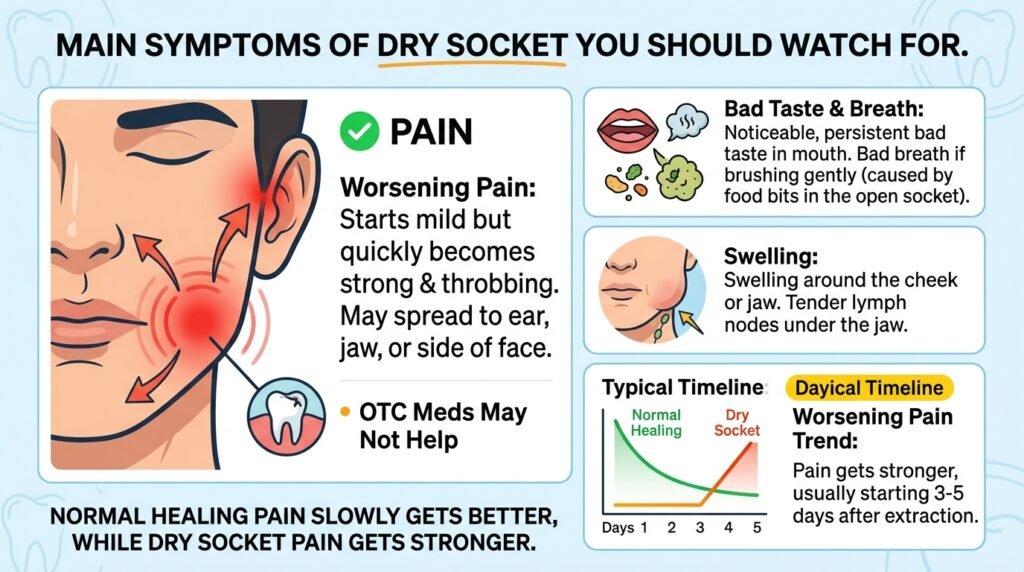
Pain is the biggest clue. The discomfort starts mild but quickly becomes strong and throbbing. It often spreads to your ear, jaw, or the side of your face. Over-the-counter pain medicine may not help much.
You may also notice a bad taste in your mouth all the time. Bad breath can appear even if you brush gently. This happens because food bits can get into the open socket and cause a smell. Swelling around the cheek or jaw is another sign. Sometimes the lymph nodes under your jaw feel tender.
These symptoms usually begin within three to five days after the extraction. If you had little pain on day one but strong pain on day three, that is a common pattern. Always compare how you feel each day. Normal healing pain slowly gets better, while dry socket pain gets stronger.
Normal Healing After Tooth Extraction Versus Dry Socket
It helps to know what good healing looks like so you can spot the difference. In the first day or two, some blood and slight swelling are normal. The clot forms and stays in place. By day three or four, the area starts to feel calmer. New soft tissue begins to cover the clot.
In dry socket, none of this calm progress happens. The pain increases instead of decreasing. The socket stays open and empty. That is why doctors say to watch how your pain changes over time. If it keeps getting worse after the second day, call your dentist.
Think of it like a cut on your skin. A normal cut forms a scab that protects it and slowly heals underneath. If the scab falls off too soon, the cut stays raw and hurts more. Your tooth socket works the same way.
Healing Time for Dry Socket and What to Expect
A dry socket usually takes longer to heal than a normal extraction. With good care, most people feel much better in seven to ten days. New tissue slowly grows and covers the bone during this time. Full healing of the bone underneath can take a few weeks more, but the sharp pain goes away sooner.
The exact time depends on how soon you get help and how well you follow care steps. Some people heal in about a week, while others need up to two weeks for comfort. Over time, the body fills the hole naturally. Do not worry too much because dry sockets do heal completely with proper attention.
Treatment Options for Dry Socket
The main goal of treatment is to ease the pain and protect the open area so healing can start again. Your dentist will gently clean the socket with a special rinse to remove any food or bits. After that, they often place a soft medicated dressing inside. This dressing soothes the nerves and helps new tissue grow.
You may need to return to the dentist every few days to change the dressing until the pain drops. Pain medicine, sometimes stronger ones, can help you rest and feel better. In rare cases, antibiotics are used if there is also an infection.
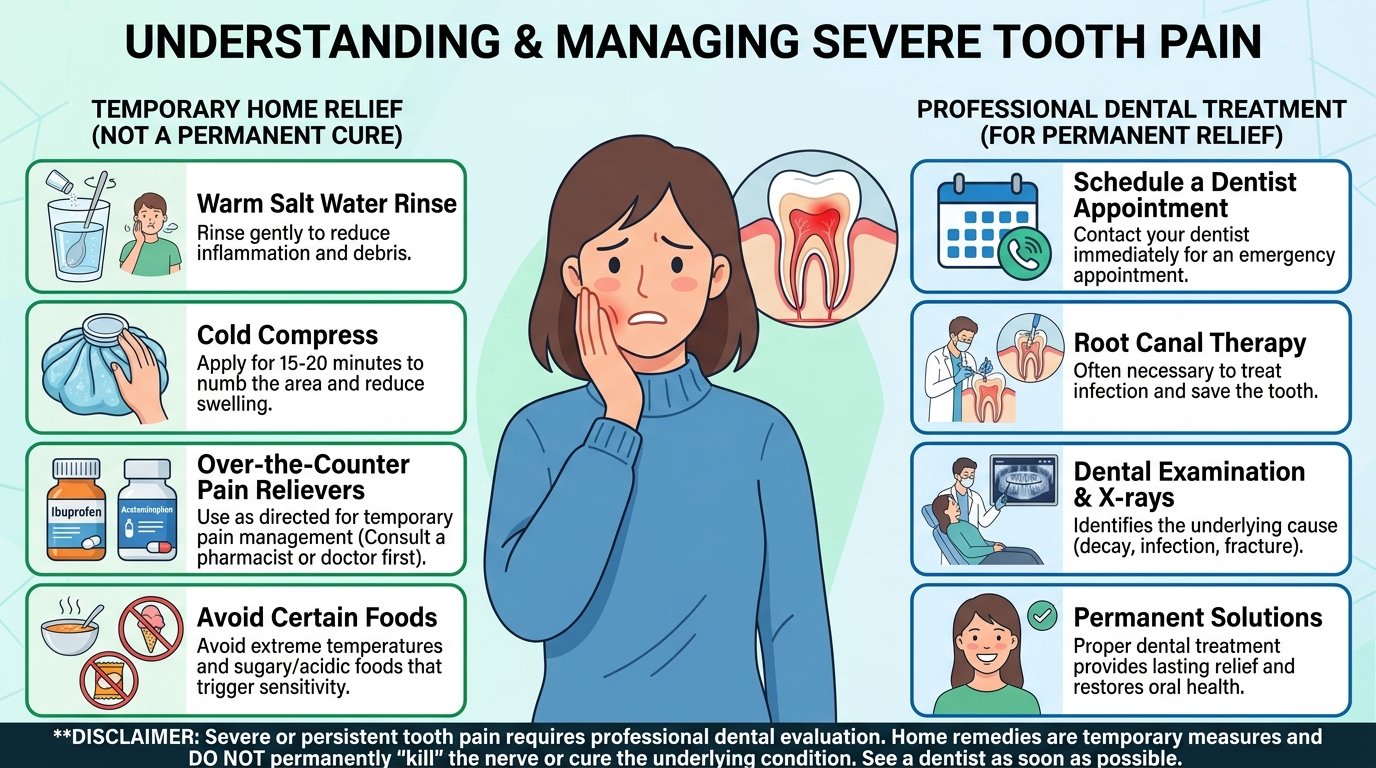
At home, follow simple rules. Rinse gently with warm salt water after meals. Eat soft foods like yogurt, soup, or mashed potatoes. Avoid smoking, straws, and hard or spicy foods. These steps make a big difference and speed up comfort.
Tips to Prevent Dry Socket and Help Healing
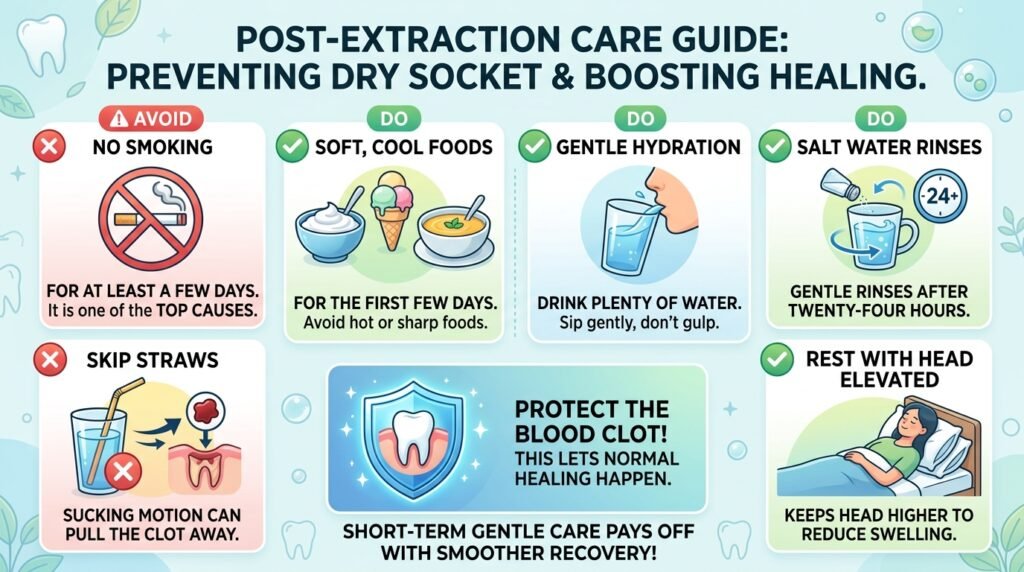
Prevention is easier than dealing with the pain later. After your tooth comes out, follow all instructions from your dentist carefully. Do not smoke for at least a few days because it is one of the top causes. Skip using straws because the sucking motion can pull the clot away.
Eat soft, cool foods for the first few days. Drink plenty of water but sip it gently. Keep your mouth clean with light salt water rinses after twenty-four hours. Rest with your head a little higher to reduce swelling. These small habits protect the blood clot and let normal healing happen.
Many people avoid dry socket completely by being careful in the first week. That short time of gentle care pays off with smoother recovery.
Common Mistakes People Make After Tooth Extraction
Some people think they can go back to normal life right away. They eat crunchy chips or use a straw for drinks. Others rinse their mouth hard with strong mouthwash on the first day. These actions can knock the clot loose without meaning to.
Another mistake is ignoring growing pain and waiting too long to call the dentist. Early help stops the problem from getting worse. Also, do not touch the area with your tongue or fingers because that disturbs healing.
Learning from these common errors helps you recover faster and more comfortably.
FAQ About Dry Socket
How can I tell if I have dry socket or just normal pain?
Normal pain slowly gets better each day. Dry socket pain gets much stronger after two or three days and often spreads to the ear or face. The empty look of the socket is another clear sign.
Can dry socket heal on its own without seeing a dentist?
It can slowly heal, but the pain stays strong for many days. Seeing a dentist makes you feel better much faster and protects the area properly.
Is dry socket dangerous or just very painful?
It is not usually dangerous to your overall health, but it causes a lot of pain and slows healing. Getting care prevents extra problems.
How long does the bad taste and smell last?
With treatment, these usually improve in a few days as the socket starts to heal again. Gentle rinsing helps clear them faster.
Can I brush my teeth if I have dry socket?
Yes, but brush very gently and stay away from the socket area. Keep the rest of your mouth clean to avoid more issues.
Does everyone get dry socket after wisdom teeth removal?
No, only a small number of people do. Following care instructions lowers the chance a lot.
When should I call my dentist right away?
Call if pain suddenly gets much worse, you see exposed bone, or you have fever and swelling that grows.
Conclusion
Dry socket is a common but treatable issue after tooth removal. Knowing what it looks like—an empty hole with visible bone—along with strong pain and bad taste helps you spot it early. Normal healing shows a protective blood clot and slowly decreasing pain. Treatment from your dentist brings quick relief, and most people feel much better within a week or so.
By taking simple steps like avoiding straws and smoking, you can lower your chances of this problem. Listen to your body after any tooth extraction. If something feels wrong, reach out for help right away. Taking good care of your mouth leads to smoother healing and a happier smile in the end. Stay gentle with yourself during recovery, and you will be back to normal soon.
Disclaimer:
This article is for information only and not medical advice. Always talk to your dentist or doctor for personal care. Symptoms can vary, and professional check-ups ensure the best results.
Explore More:
How Many Ounces in a Half Gallon? (Quick Answer + Conversion Chart)
2024 Jeep Grand Cherokee L Review (Price, Specs, MPG, Interior & Trims)