
 James Archer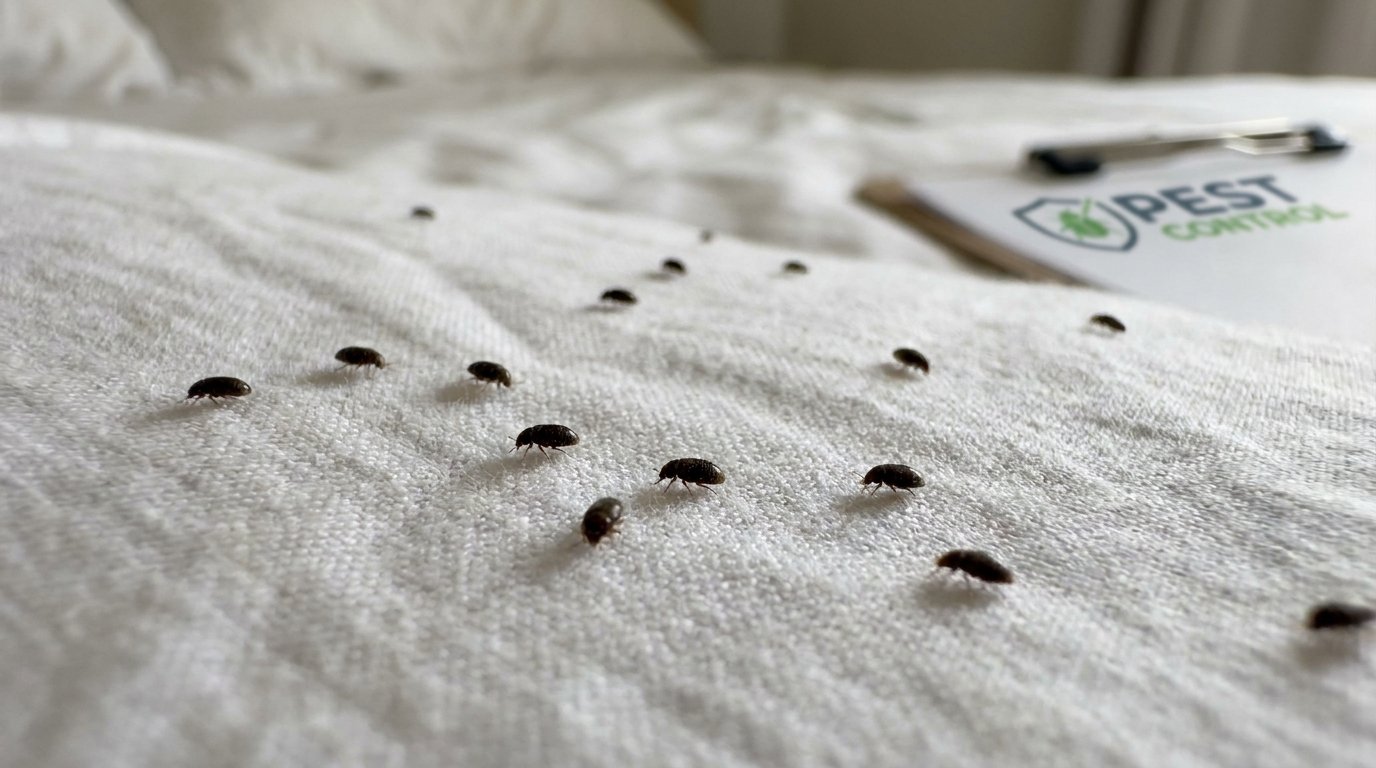
Have you ever spotted tiny black specks on your kitchen counter, carpet, or near your plants that look exactly like poppy seeds? At first, you might think someone spilled seasoning. But then one moves. This can surprise and worry many people. These tiny black bugs that look like poppy seeds are common in homes and gardens. They often appear suddenly and make you wonder where they came from.
Understanding what they are helps you feel calmer and take the right steps. Because these little pests can spread quickly if left alone, it is smart to learn about them early. This article will explain the main types, why they show up, and simple ways to manage them. You will also find practical tips that fit everyday life. By the end, you will know how to handle these tiny visitors safely and keep your home comfortable.
Why These Tiny Bugs Look Like Poppy Seeds
Tiny black bugs that look like poppy seeds are usually very small, often only one or two millimeters long. Their round or oval shape and dark color make them easy to mistake for seeds at a quick glance. When you look closer with a magnifying glass, you can see legs or movement that shows they are alive.
This happens in many homes because the bugs are good at hiding in small spaces. For example, they might hide in carpet fibers, behind baseboards, or inside pantry shelves. Over time, a few bugs can turn into many if they find food, water, or warmth. That’s why noticing them early matters. Another thing is that different bugs appear in different seasons. In warmer months, they may come inside from gardens. In cooler times, they seek shelter in your house.
Common Types of Tiny Black Bugs That Look Like Poppy Seeds
Several kinds of insects fit this description. Learning the main ones helps you identify what you have.
Carpet Beetles are one frequent type. Adult carpet beetles are small, oval, and black or dark brown. They often wander on windowsills or floors. Their larvae look different – fuzzy and longer – but the adults match the poppy seed look. They like natural fibers like wool, silk, or even dead insects. If you have old carpets or clothes stored away, they may find a home there.
Fleas and Flea Dirt also create this appearance. Fleas themselves are tiny and dark. Their waste, called flea dirt, looks like black specks and appears near pets. If you have dogs or cats, check their bedding. Fleas jump quickly, so you might not see them move at first.
Springtails are another possibility, especially in damp areas. These tiny bugs love moisture. They live near sinks, bathrooms, or leaky windows. Some springtails jump when disturbed, which makes them interesting to watch under a lens.
Booklice or Psocids prefer humid spots too. They are very small and pale to dark. You might find them on books, papers, or in bathrooms where mold grows quietly.
Spider Beetles look round and shiny like tiny seeds. They enjoy dry foods in pantries. Other less common ones include certain mites or early-stage ticks, but these usually appear near pets or after outdoor time.
Each type has its own favorite places. This means the spot where you see them gives you a big clue.
Where Do These Bugs Come From?

These tiny black bugs that look like poppy seeds usually enter homes looking for three main things: food, water, or a safe place to live. For instance, carpet beetles might hitch a ride on cut flowers or secondhand furniture. Fleas often come with pets after a walk outside. Springtails and booklice enter through small cracks when it is too wet or too dry outdoors.
Think about your daily life. Bringing groceries home can sometimes carry tiny pests in packaging. Open windows without screens let bugs fly or crawl inside. Also, piles of laundry on the floor or crumbs in corners give them food. Over time, small problems become bigger ones because female bugs lay many eggs in hidden spots. That’s why checking entry points matters.
In gardens, black aphids or flea beetles gather on plants and sometimes move toward the house. If your home has plants near doors, this connection grows stronger. Understanding these entry ways helps you stop new bugs from arriving.
Signs That You Have These Tiny Bugs
How can you tell if the specks are really bugs? Look for movement. Poppy seeds do not walk or jump. You may also notice other clues. For carpet beetles, you might see small holes in clothes or rugs. With fleas, pets scratch more than usual. In bathrooms, extra dampness or mold can point to springtails.
Another sign is clusters. These bugs often gather in groups near food sources or light. For example, you might find more near a sunny window in the morning. If you sweep them up and new ones appear the next day, that shows an active problem. Using a simple magnifying glass or phone camera with zoom makes identification easier. Take a clear picture if you need help from a local expert later.
Simple Steps to Get Rid of Them Safely
Getting rid of tiny black bugs that look like poppy seeds takes patience and steady effort. Start with cleaning because most of these pests cannot survive without food or hiding spots.
First, vacuum thoroughly. Go over carpets, floors, baseboards, and furniture. Empty the vacuum outside right away so bugs do not escape back inside. After that, wash all washable items in hot water. This includes pet bedding, curtains, and clothes. Heat kills eggs that you cannot see.
Next, reduce moisture. Fix leaky faucets and use a fan or dehumidifier in damp rooms. Springtails and booklice hate dry air, so this step works well for them. In the kitchen, store all food in tight containers. Wipe counters daily and take out trash often. These actions remove what the bugs need to live.
For plants inside or outside, check leaves for clusters. Rinse plants with water to knock off aphids or similar pests. Keep plants healthy because strong plants fight bugs better.
Over time, repeat cleaning every few days at first. This breaks the life cycle because eggs hatch at different times. Many people see fewer bugs after one or two weeks of consistent work.
Another helpful approach is sealing cracks. Use caulk around windows, doors, and pipes. This stops new bugs from entering. Also, keep outdoor areas clean by removing leaves and standing water. These small changes add up to big results.
Mistakes to Avoid When Dealing With These Bugs
Some actions make problems worse, so it is good to know what not to do. Do not ignore small numbers because they grow fast. Also, avoid spraying strong chemicals everywhere without need. This can harm pets, children, or helpful insects outside.
Another mistake is only cleaning one area. Bugs move between rooms, so treat the whole house gently. For example, if you clean the kitchen but forget the laundry room, the problem returns. Over time, rushing the process leads to disappointment. Steady daily habits work better than one big effort.
Do not move infested items to other parts of the house. This spreads eggs without you noticing. Instead, handle them carefully outdoors when possible.
Natural and Careful Ways to Manage the Problem
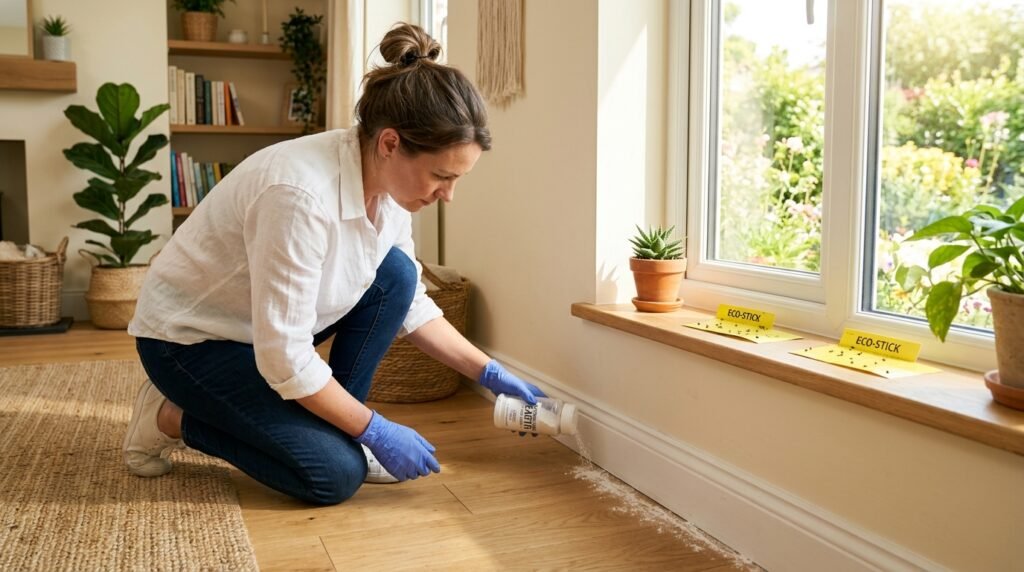
Many people like gentle methods first. Good air flow and sunlight help because some bugs dislike dry, bright conditions. You can also use sticky traps near baseboards or windows to catch adults. These give you an idea of how many bugs are active.
Diatomaceous earth is a natural powder that some use in hidden spots. It damages the outer shell of bugs when they crawl over it. Always follow safe use instructions and keep it away from areas where food is prepared.
For pet areas, regular grooming and washing help control fleas. In gardens, encouraging ladybugs or other helpful insects keeps aphid numbers low naturally. These balanced approaches protect your home while respecting nature.
When to Watch for Bigger Help
Most cases of tiny black bugs that look like poppy seeds improve with cleaning and prevention. But if numbers stay high after several weeks, or if bites cause strong reactions, consider talking to a professional. They can identify the exact type and suggest targeted steps. This is especially true for fleas or certain beetles that are harder to remove completely.
FAQ About Tiny Black Bugs That Look Like Poppy Seeds
What makes these bugs suddenly appear in my house?
They often come in with new items, through small openings, or when weather changes. Hidden eggs may also hatch all at once after conditions become right.
Can these bugs bite people?
Some can, like fleas or certain mites. Others, like carpet beetles, do not bite but may cause skin irritation in sensitive people from tiny hairs.
Do I need to throw away my carpet or clothes?
Usually not. Thorough cleaning, vacuuming, and washing often solve the issue. Check items carefully and store them properly afterward.
Are these bugs dangerous to pets?
Fleas can make pets uncomfortable and spread issues. Other types are mostly harmless but better removed for everyone’s comfort.
How long does it take to get rid of them?
With daily effort, you often see big improvement in one to three weeks. Full control may take longer because eggs hatch over time.
Will they go away on their own?
Sometimes small numbers do, but most times they stay or grow without help from you.
Can I prevent them completely?
Good cleaning habits, sealing cracks, and quick action on spills make them much less likely to return.
Final Thoughts
Tiny black bugs that look like poppy seeds are a common part of home life, but they do not have to stay. By learning what they are, where they hide, and how simple cleaning works, you gain control. Remember that patience and consistency bring the best results. Each step you take – from vacuuming to fixing moisture – creates a cleaner, happier space for your family.
Stay observant and act early when you notice changes. In this way, your home remains a comfortable place where small problems do not grow big. With these friendly methods, you can enjoy peace of mind and keep those poppy-seed lookalikes outside where they belong.
Disclaimer:
This article provides general educational information based on common household pest experiences. It is not a substitute for professional pest control advice. Results may vary depending on your specific situation, location, and exact pest type. Always prioritize safety and consult local experts if needed for persistent issues. The content is for informational purposes only and does not guarantee specific outcomes.
Explore More:
Comida China Cerca de Mí: Mejores Restaurantes, Menú, Precios y Delivery Rápido
Tech Ideas That Made the Web Move Quicker: Innovations That Changed Internet Speed Forever